
Last Updated on January 3, 2026 by Asheesh Kumar
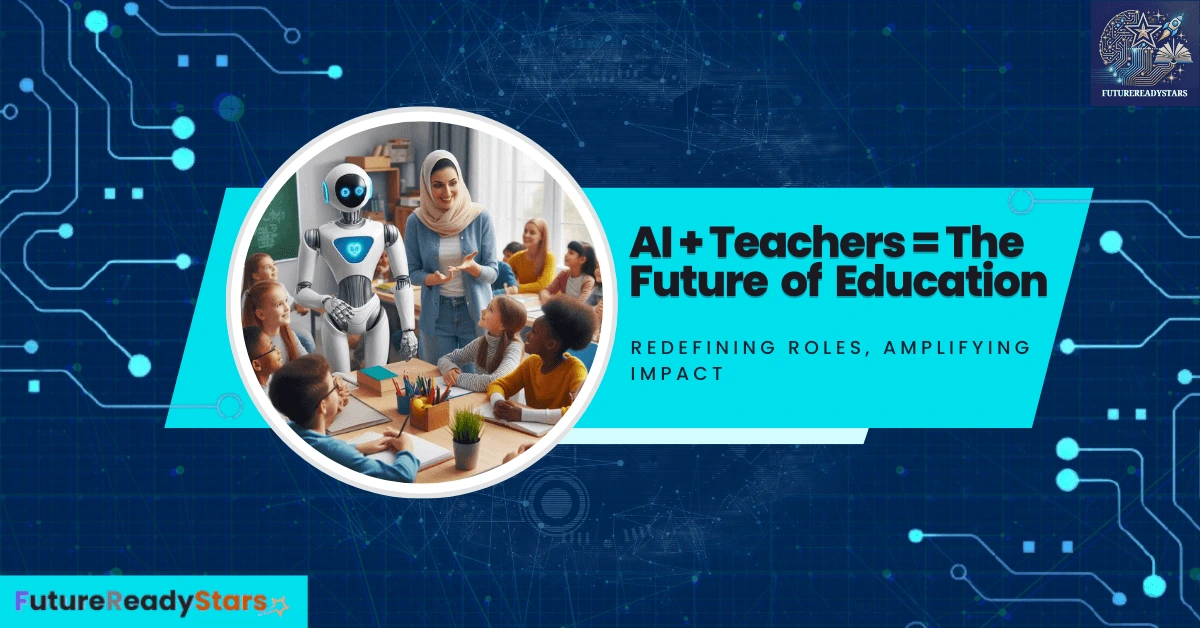
The surprising truth about AI in education: it’s making teachers more human, not less
The Tuesday Night That Almost Ended a Career
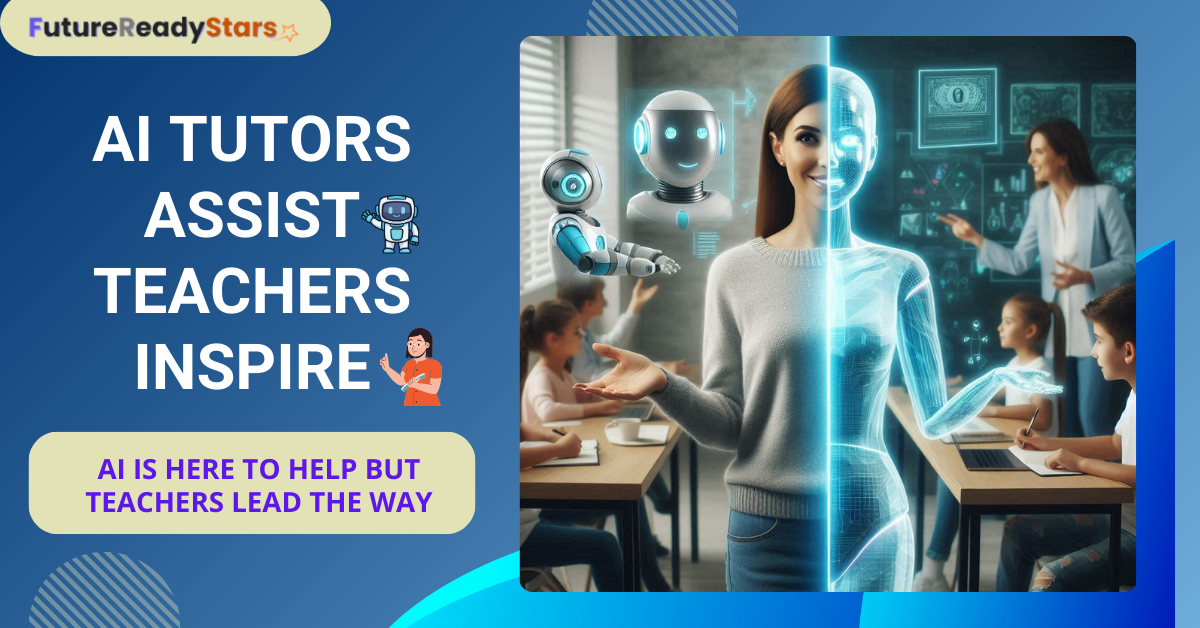
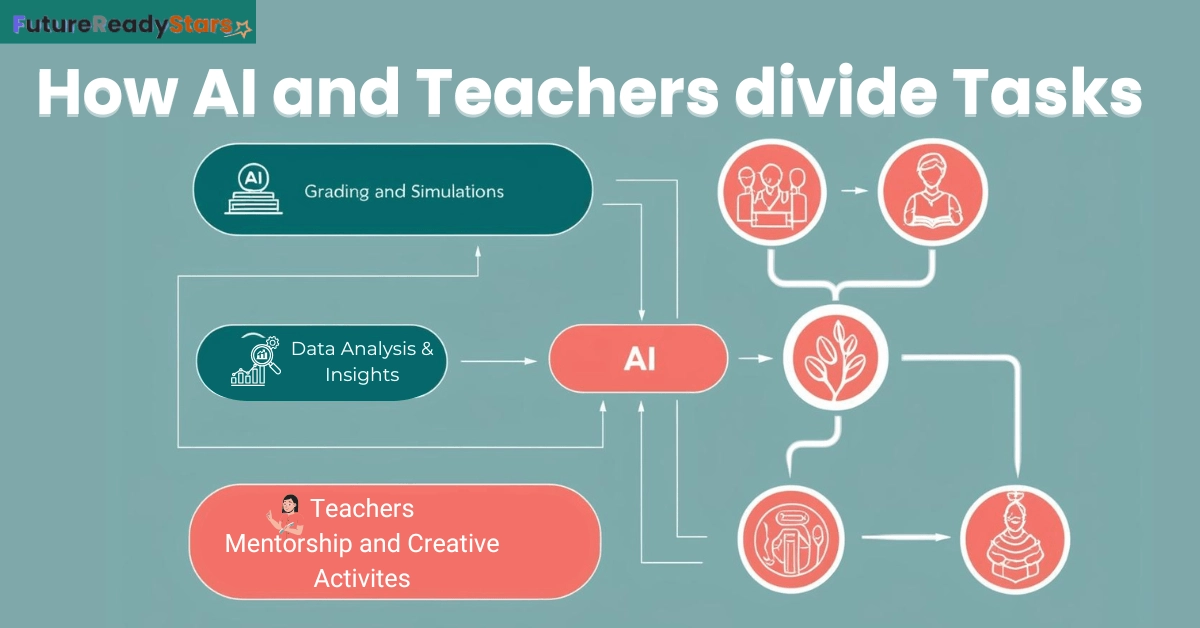
At 11 PM on a Tuesday, Maria Gonzalez — fifteen years into teaching English — stared at a stack of 120 ungraded essays and a cold mug of coffee. The house was quiet. For the third time that week, she was choosing between sleep and feedback. “I wrote my resignation letter that night,” Maria told me. “I loved my students, but I was drowning.” Six months later, Maria is still in the classroom — and thriving. An AI assistant now gives those essays a first pass in half an hour. The time she used to spend on repetitive work has shifted to one-on-one conferences, creative project design, and, for the first time in years, leaving by 4 PM. This is the quiet revolution spreading through schools. AI isn’t replacing teachers. It’s freeing them to do the work that matters.
What You’ll Learn
AI-Teachers-The-Future-of-Education
In the pages ahead, you’ll see how a single procurement mistake reshaped special education in one district, why three simple collaboration models helped schools keep more teachers, and how to protect student privacy without slowing learning. You’ll also get the scripts and tools educators are using to reclaim five hours a week, plus a glimpse of what classrooms could look like by 2030.
Also Read: Top 20 AI Tools Teachers Need in 2025 for Better ClassroomsThe Numbers That Changed Minds
When teachers see real hours come back, skepticism fades fast. According to RAND Corporation’s 2023 study, early adopters consistently report:
- 5 hours/week saved through AI-supported grading and planning
- 74% improvement in work-life balance metrics
- 30% increase in teacher retention at AI-enabled schools
- 25% boost in student participation rates
The data is compelling. The stories are better.
Also Read: How to Use ChatGPT for Lesson Planning: A Teacher’s Complete Guide (2025)Three Schools That Cracked the Code — And What You Can Borrow
Auckland, New Zealand: Teaching Without Breaking Eye Contact
In Sarah Chen’s climate science class, everything moves without friction. She reassures an anxious student, checks on a project team, and pulls up a video — without turning her back. A voice-controlled assistant (Merlyn Mind) acts as a co‑pilot. “Show the carbon cycle animation and highlight Jamie’s last essay,” Sarah says, and the room shifts with her.
The payoff is presence. Less overtime. Higher engagement. Fewer lost moments while the class waits for a tab to load or a file to surface. If you’re starting from scratch, begin with voice-to-text for live notes and quick feedback. When it feels natural, step up to a full assistant.
Houston, Texas: Special Education, Unburdened
Luis Rivera was spending mornings modifying worksheets and evenings drafting IEP reports. Weekends disappeared into adaptations for students with different needs. Training Amira Learning to recognize speech patterns and auto-adjust materials didn’t remove Luis from the process; it brought him back into it.
The transformation in Luis’s schedule:
- Before: 6 AM worksheet modifications, 7 PM IEP reports, weekend prep
- After: 30-minute morning reviews, home by 4 PM, actual weekends
Now he reviews, refines, and focuses on students instead of starting from a blank page. IEP delays shrink. Student time expands. Dinner at home returns. The work didn’t vanish — the drudgery did.
Stockholm, Sweden: Students as AI Trainers
In Stockholm, teenagers flipped the script. Instead of bending to AI, they taught it to meet them where they are. A class built ChatGPT plugins that actually understand Gen Z slang, so tutoring feels like a conversation instead of a correction. “The AI kept reading ‘sus’ as ‘suspicious’ in Shakespeare,” one student said. “We fixed it.”
The shift is subtle but profound: students move from consumers to creators. They don’t just use the tools; they shape them.
The Part No One Wants to Talk About — And How to Stay Safe
There’s a cost to convenience if you’re not careful. According to Common Sense Privacy Program, popular “free” tools can monetize student behavior and study patterns. Families rarely see these arrangements clearly, and teachers don’t have time to audit every privacy policy.
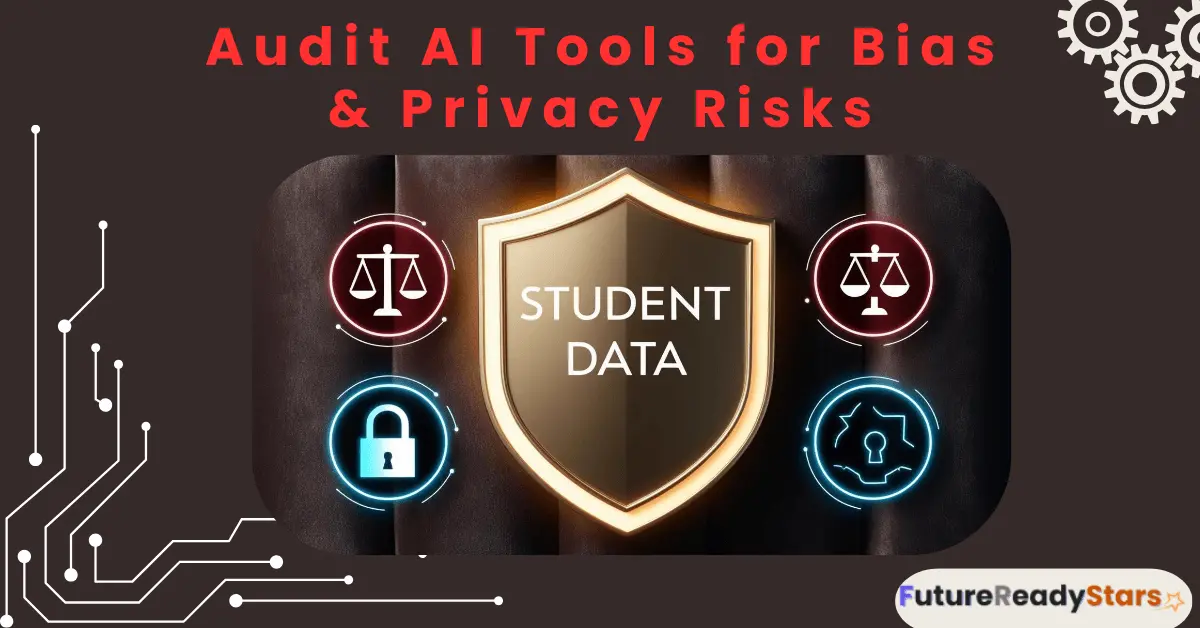
The best protection is simple and consistent:
- Ask for your school’s data-sharing agreements
- Review app permissions monthly using tools like Privacy Not Included
- Run a basic FERPA compliance check
- Ensure opt-out paths exist for any AI tool
When bias shows up — especially against non-standard English, neurodivergent writing, or ESL learners — the solution is human. Override bad calls. Test systems with diverse samples. Audit grading patterns regularly. MIT’s 2024 research shows 80% of language models still struggle with dialectical variations.
And never let access be destiny. Rural schools shouldn’t be priced into older versions while wealthier districts get the latest tools for free. Call that out. It isn’t just a tech problem. It’s an equity one.
A One-Week Jumpstart for Teachers
You don’t need a district mandate to begin. Start small.
Monday: Try Diffit for a differentiated lesson and see what it changes.
Tuesday: Record grading comments with voice-to-text to save your wrists — and thirty minutes.
Wednesday: Set up Gradescope for basic multiple choice so you can pour energy into open-ended feedback.
Thursday: Join the ISTE AI in Education community where teachers share what works in real classrooms.
Friday: Tell a colleague one win. Momentum multiplies.
Parents: A Simple Protection Protocol
At home, review the apps your child uses through Common Sense Media’s reviews and ask three questions at your next school meeting:
- Who can access our children’s learning data?
- What bias testing is in place for AI grading?
- How can families audit AI decisions?
One email to your principal can open doors: “Please share our district’s AI data use policy and opt-out procedures for automated assessment tools.” Clarity is a choice. Ask for it.
Students: Build, Don’t Just Use
If you’re a student, build a study bot using OpenAI’s free tier and make it your own. Start an AI literacy club. Document bias when you see it and share examples with your school. Resources like AI4K12.org provide free curriculum ideas. You’re not passengers in this shift. You’re co‑designers.
🧰 Toolbox Summary: AI That Saves Teachers Hours
| Tool | What It Does | Best For | Quick Win |
| Merlyn Mind | Voice-controlled assistant for teaching tasks | Hands-free teaching in live classrooms | Say: “Show carbon cycle video” — no clicks needed |
| Amira Learning | Reads student speech & auto-adjusts materials | Special education, IEP support | Cuts IEP delays by 50% |
| Diffit | Differentiates lessons at multiple reading levels | Lesson planning for mixed-ability classes | Create one differentiated lesson in minutes |
| Gradescope | Auto-grades MCQs & speeds essay review | Large classes, repetitive grading tasks | Save ~3 hours/week on grading |
| ChatGPT / OpenAI | Builds custom bots, plugins, and study guides | Student projects + teacher feedback | Students train AI to match class slang/style |
| Privacy Not Included (Mozilla) | Reviews apps for hidden data practices | Parents + teachers protecting student data | Monthly app check for peace of mind |
| AI4K12.org | Free curriculum + AI literacy resources | Starting AI clubs, student co-creation | Launch an AI club with ready-made lessons |
FAQs
No. It takes the repetitive tasks so teachers can focus on relationships, creativity, and complex thinking.
Most educators report five to seven hours a week when grading, planning, and admin support are in the mix.
With training and oversight, yes — it can reduce delays and expand 1:1 time. Human judgment stays at the center.
Plenty of free tiers and open-source options exist. Start there. The right workflow beats the fanciest software.
A Glimpse of 2030
If you fast-forward just five years, the classroom may feel almost unrecognizable. Imagine a student in India solving a math problem, while her AI tutor instantly translates her explanation into English so she can collaborate with a partner in California. That’s not science fiction anymore—it’s where we’re headed.
By 2030, we’ll likely see every student paired with a kind of “learning twin”—an AI tutor that grows with them, remembers their struggles, celebrates their wins, and adapts as they move from grade to grade. No two kids will ever have the exact same homework again, because their AI helper will personalize everything.
And here’s the surprising part: schools may also set up AI ethics councils—groups of teachers, parents, and even students—to make sure algorithms stay fair and transparent. It won’t just be about teaching math or history anymore. We’ll be teaching kids how to live responsibly in a world where AI is everywhere.
The big question is whether we’ll shape this future intentionally—or let it shape us.
The Bottom Line
Maria’s story reminds us that AI in education isn’t about replacing teachers—it’s about giving them breathing room to focus on what actually matters: connecting with students. If teachers can reclaim even five hours a week, think about what that means—more time for feedback, more time for creativity, and yes, maybe even a little more joy in the job.
For students, the bottom line is simple: AI can either be a crutch or a springboard. Use it to skip the hard work, and you’ll miss out. Use it as a partner, and you’ll go further than you thought possible.
We’re standing at a fork in the road. One path leads to shallow shortcuts and lost trust. The other leads to smarter classrooms, more human teachers, and students who are ready for a world that will demand creativity and critical thinking above all else.
Pick Your Side
👉 So, where do you fit in this AI revolution? Whether you’re a teacher, parent, or student, here’s how you can take action:
- Teachers: Download our free “AI Audit Checklist” (with FERPA hacks) at FutureReadyStars.com/tools.
- Parents: Grill your school board: “Who profits from our kids’ data?”
- Students: Join our “Build Your Own AI Tutor” challenge—winners present at the 2025 National EdTech Summit.
Also Read: AI in Special Education: 10 Best AI Tools for Teachers (2025 Guide)For more tips and insights, visit FutureReadyStars.com.

My name is Asheesh Kumar i am a dedicated educator and have a deep understanding of artificial intelligence, I aim to transform traditional learning methods by integrating cutting-edge technology and AI-driven tools into education. As a teacher and personal tutor, I have the privilege of working with many students and understanding their individual strengths and weaknesses. With this insight, I know how to help each student overcome their challenges and improve their skills. Understanding each student’s unique learning style and needs allows me to tailor lessons that maximize their potential. This holistic approach not only boosts academic performance but also builds confidence and a lifelong love for learning.
Your point of view caught my eye and was very interesting. Thanks. I have a question for you.